Hotel Chains Require a Different Approach
/

Why Hotel Chains Require a Different Approach to Building Services Compliance
Operating a hotel is fundamentally different from managing most commercial buildings. While the core systems may be familiar, HVAC, electrical, water and life safety, the environment they operate in is far more complex.
For national hotel groups, building services compliance isn’t just about meeting regulations. It’s about protecting brand standards, ensuring guest experience and maintaining operational continuity across multiple sites.
The Challenge of a 24/7, Guest-Facing Environment
Hotels do not have downtime. Maintenance doesn’t take place behind closed doors or outside of operating hours, it happens alongside guests.
This creates a very different set of expectations. Work must be carefully planned around occupancy levels, peak check-in times and scheduled events, while also taking into account sensitive areas such as spas, restaurants and treatment spaces. In these environments, even minor disruption can have a direct impact on the guest experience.
As a result, building services delivery must be not only compliant, but discreet, well-coordinated and operationally aware.
No Two Areas Are the Same
A hotel is not a single, uniform space. It is a collection of environments, each with its own demands.
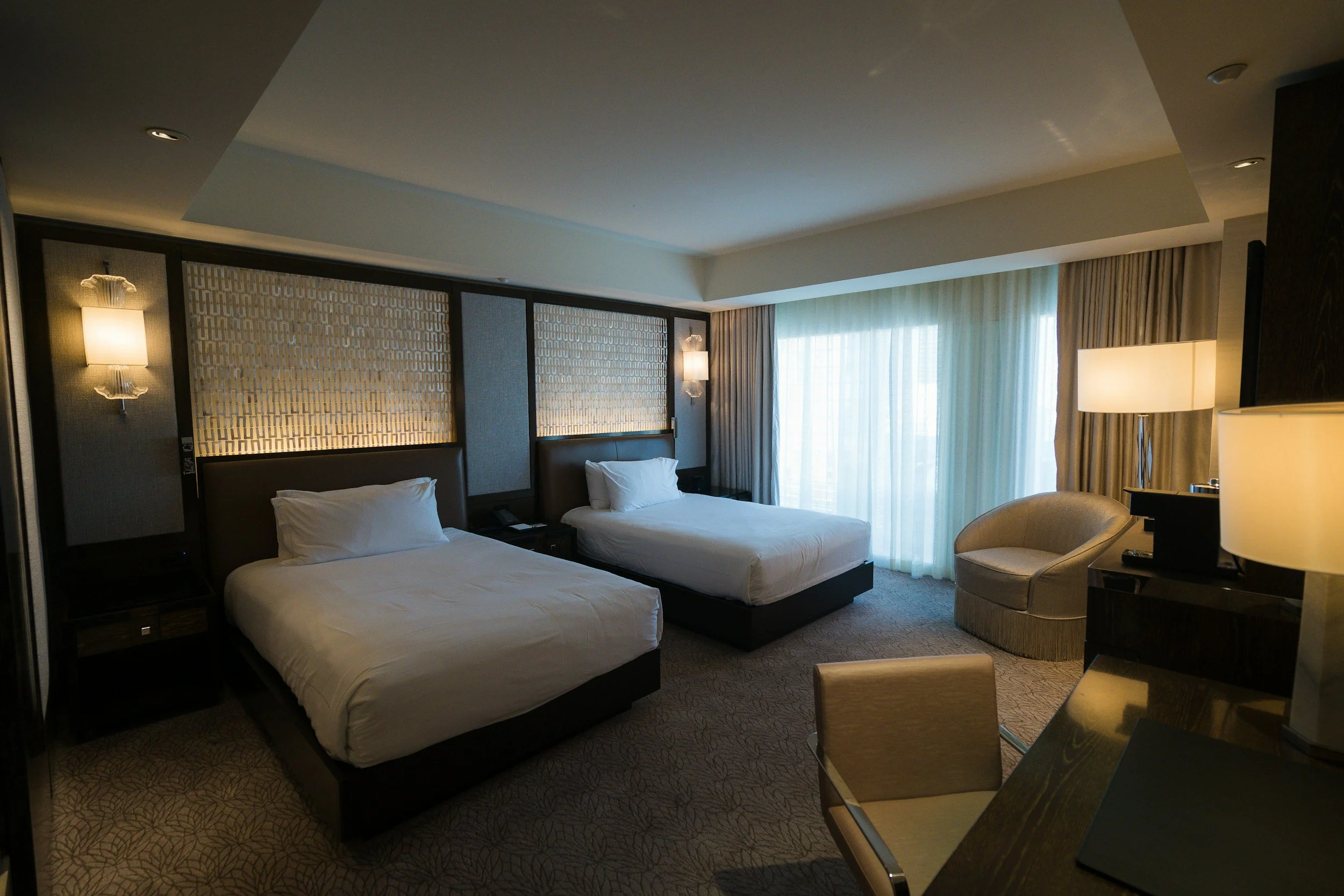
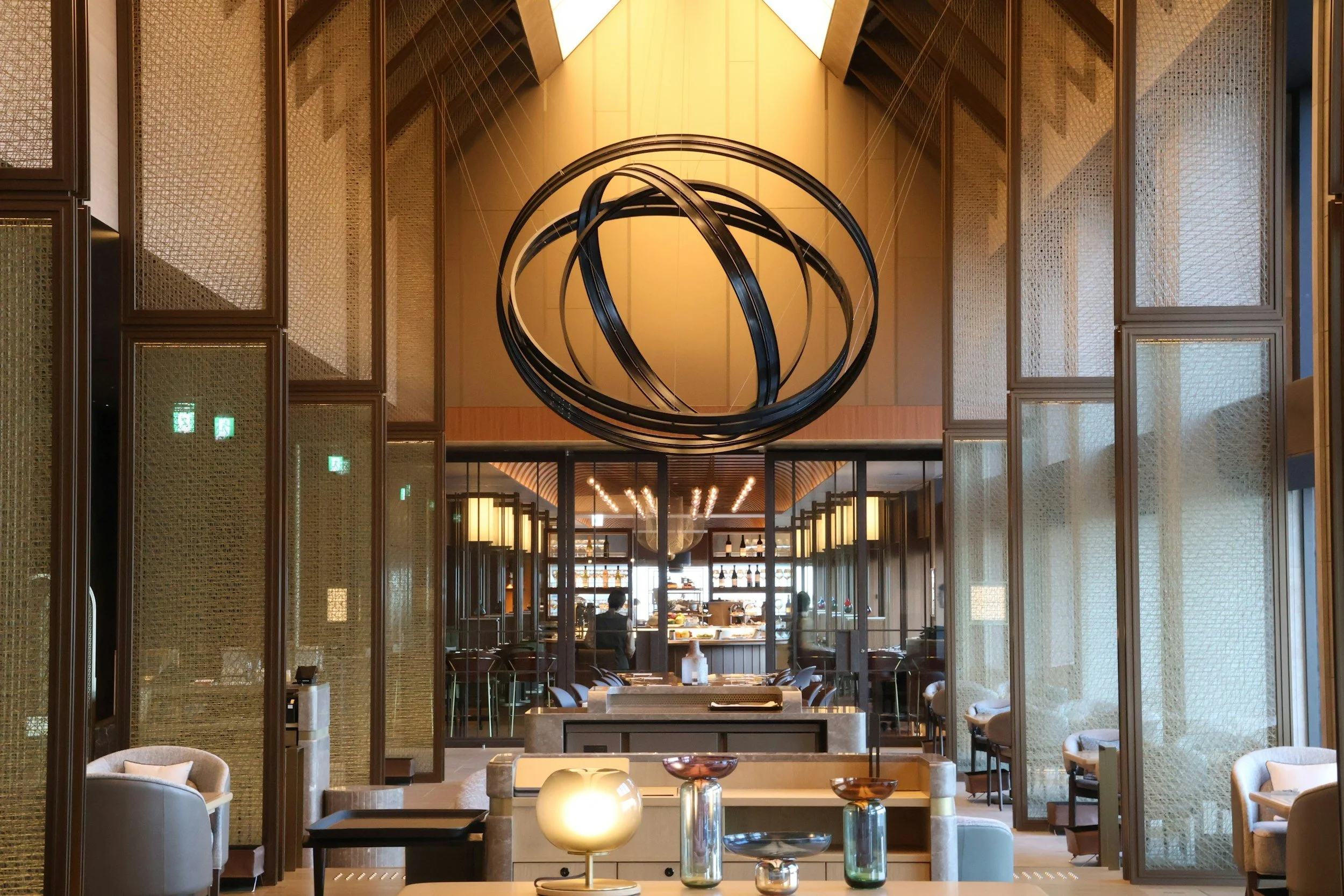
Within one site, facilities teams are managing bedrooms, kitchens, bars, gyms, pools and conference areas, each with different usage patterns, compliance requirements and risk profiles. What works in one area cannot simply be applied to another.
This makes a standardised, one-size-fits-all maintenance approach ineffective. Instead, services need to be tailored to reflect how each part of the building is used in practice.
Variable Occupancy = Variable Demand
Unlike many commercial settings, hotel operations are inherently variable. Occupancy levels can fluctuate significantly due to seasonality, events or group bookings and these changes have a direct impact on how building systems perform.
Heating, ventilation, hot water and electrical demand all shift in response. Systems must therefore operate efficiently under both low and peak loads, without compromising comfort or compliance.
This requires a more responsive and adaptable approach to maintenance—one that reflects how buildings are actually used, rather than how they were originally designed to operate.
Consistency Across Multiple Sites
For hotel chains, the challenge extends beyond a single building. Delivering consistency across multiple locations is critical to maintaining brand standards.
Guests expect the same experience regardless of location, yet behind the scenes, each site may vary significantly in terms of infrastructure, equipment and condition. This creates a gap between operational reality and brand expectation.
Closing that gap requires a coordinated approach, one that brings consistency to compliance processes, reporting and service delivery across every site, while still accounting for the nuances of each individual building.
An Increasingly Complex Compliance Landscape
Hotels must meet a wide range of statutory requirements, from fire safety and electrical systems to water hygiene and air quality. These obligations are not static; they evolve over time, becoming more detailed and more demanding.
For facilities teams, keeping pace with these requirements across multiple sites can be challenging. Compliance is no longer just about completing inspections, it is about maintaining clear visibility, accurate records and confidence that standards are being met consistently.
In this context, building services support plays a critical role in reducing risk and ensuring that nothing is missed.
When Things Go Wrong, It’s Immediately Visible
In many commercial environments, a system failure is an inconvenience. In a hotel, it is immediately noticeable.
A fault with air conditioning affects guest comfort. Lighting issues influence perception of quality. Water system problems raise concerns around safety and hygiene. These are not back-of-house issues - they are front-of-house experiences.
This makes responsiveness essential. Issues must be resolved quickly, but also with an understanding of the live environment in which they occur.
More Than Maintenance
The key difference when working within hotel chains is this: building services are not just supporting operations, they are supporting the guest experience.
Every decision, from scheduling maintenance to resolving faults, has a direct impact on how the hotel is perceived. This requires a level of awareness that goes beyond technical delivery.
It is not simply about maintaining systems. It is about maintaining standards.
How JCW Supports National Hotel Groups
At JCW, we work with national hotel and leisure providers to deliver building services compliance that reflects the realities of a 24/7, guest-facing environment.
From planned maintenance to statutory compliance and reactive support, our approach is built around consistency, responsiveness and minimal disruption across every site.
If you’re reviewing how compliance is delivered across your portfolio, we’d be happy to share how we support similar organisations.